Thursday, April 2, 2015

The Dangers of Malocclusion Going Unaddressed

The Dangers of Malocclusion Going Unaddressed Crowded teeth, misaligned teeth, overbites, and under bites are just some of the alternative names for malocclusion. Ideally, all the upper teeth will fit slightly over the lower teeth for proper occlusion (alignment of the teeth) to occur. Malocclusion is often inherited, there are other causes:
 

•  
Childhood habits like thumb sucking, pacifier use beyond 3 years of age, and prolonged use of a bottle.

• Extra teeth, lost teeth, impacted teeth, or abnormally shaped teeth.

• Ill-fitting dental filling, crowns, retainers, or braces.

• Sever injury causing the misalignment or the jaw.

• Tumors in the mouth or jaw.


Different Classification and Symptoms of Malocclusion

Classifications: 

Class 1: The most common classification where the bite is normal, but the upper teeth slightly overlaps the lower teeth.

Class 2: Also called retognathism or overbite, where the upper jaw and teeth severely overlaps the lower teeth.

Class 3: Commonly referred to as prognathism or underbite, where the lower jaw juts forward, which causes the lower jaw to overlap the upper jaw and teeth.

Symptoms:

• Abnormal alignment of teeth

• Abnormal appearance of face

• Discomfort or difficulty while biting or chewing

• Although rare, speech difficulties like lisps can develop


Treatment Options

A very few number of people have perfect teeth, but most are fortunate enough to have minor problems that do not need treatment. Malocclusion on the other hand is the most common reason to call in an orthodontist. By getting moderate or severe malocclusion addressed by your dentist in Kirkland, WA the patient’s teeth are easier to clean. This lessens the risk of tooth decay and periodontal diseases. The treatment also eliminates the strain on teeth, jaws, and muscles, which will lessen the symptoms of temporomandibular joint disorders. Don’t let teeth misalignment get in the way of your health; address the situation as soon as possible.

Monday, March 16, 2015

What Your Mouth Has to Say about Your Health

Everyone has heard the saying “the eyes are the window to your soul” at least once, but how many have heard the phrase “your mouth is a mirror to your overall health”? It is an odd saying, but it is true. Our mouth is more than just for talking, smiling, and chewing our food; your oral health can actually offer clues to your overall health. Understanding the connection between the two will make you realize how crucial your oral hygiene practices can be.

Connecting Oral Health with Overall Health

The idea of oral health being tied to overall health may seem farfetched, but experts have agreed that any disease related to the mouth has an impact somewhere else in the body. Inflammation is the body’s response to an infection. With 30-50% of American adults having mild to moderate gum disease, latest research are hoping that treating inflammation caused by gum disease can improve other diseases.
 

The Different Diseases

Your oral health might be affected or can contribute to these various conditions:

• Endocarditis – Occurs when bacteria or other germs from another part of the body spreads through your bloodstream and attach to the damaged areas in the heart

• Cardiovascular disease – Inflammation and infections form heart disease, clogged arteries, and stroke can be caused by oral bacteria.

• Pregnancy and Birth – Peridontitis has been linked to low birth weight and sometimes premature births.

• Diabetes – The body’s resistance to infection is lowered which puts gums at risk.
 

Practice Good Oral Hygiene

These are just some of the conditions that are linked to oral health. It is important to tell your dentist in Kirkland, WA if there are any changes in your overall health, new medications, or if you have any chronic conditions like diabetes. Regular brushing and flossing will help deter gum disease, if you are still concerned about your overall health, visit your dentist in Kirkland, WA to see if he can help with the diagnosis.

Sunday, March 8, 2015

The Naked Truth: A Visit to a Kirkland Dentist Isn’t All About Smiles


For the most part, people visit a trusty Kirkland dentist like Dr. Louis K. Cheung, DDS to get beautiful, healthy teeth—a set worthy of a thousand pictures. As it turns out, however, dental visits aren’t all about appearance. According to Dr. Richard Price, spokesperson for the American Dental Association (ADA), an unhealthy mouth literally equates to an unhealthy physique. He made these claims in light of various studies, which have identified links between oral health and nefarious diseases like oral cancer as well as heart disease, bacterial pneumonia, stroke, and even problematic pregnancies.
http://www.cheungdds.com/naked-truth-visit-kirkland-dentist-isnt-smiles/y

Friday, March 6, 2015

Discolored Teeth: A Common Issue Treated By a Kirkland, WA Dentist


In a society that considers white teeth a definite criteria for looking good, having yellow teeth is a curse—one that can only be lifted with the help of a trusted dentist in Kirkland, WA and elsewhere. There are two major causes for teeth discoloration: foods and drinks that stain, and the acids in certain ones that eat away at the teeth’s enamel coating. Tooth enamel is naturally white at its thickest point, but once it wears down, teeth get yellower/darker since the innermost layer of dentin is exposed. This dentin layer of the teeth is naturally yellowish in color, so the thinner your enamel gets, the yellower your teeth will look.
http://www.cheungdds.com/discolored-teeth-common-issue-treated-kirkland-wa-dentist/

Thursday, February 19, 2015

What are the Most Common Toothbrushing Mistakes?

For most of us, brushing our teeth is second nature and we barely have to think about it. After all, we’ve been doing it since we could hold a toothbrush, and even enjoy the toothpaste that’s especially made for kids. Before you go back to your regular brushing routine, here are some common mistakes you have to look out for:
 

• Choose the right tool. Are you using the right toothbrush? Check if the bristles hurt or cause your gums to bleed. If it does, it’s time to change your toothbrush. If you’re not sure about the type of toothbrush (manual or electric) or the kind of bristle, ask the help of your dentist in Kirkland, WA.

• Don’t overdo it. If you brush more than 3 times a day, there is a chance that you are wearing down the tooth enamel and damaging your gums.

• Control your sour cravings. Energy drinks, diet sodas, and sour candies are notorious for softening the tooth enamel. Enjoy a treat once in a while, but wait at least half an hour before brushing your teeth.

• Let it dry. Stop putting a cover on your brush. When you put a cap on it, the moisture becomes a breeding ground for bacteria. Let it air dry before keeping it in a sanitary location (avoid skin and toilets).

• Let it go. Change your toothbrush regularly. If you’re not sure about the brand to buy your dentist in Kirkland, WA will be happy to help you decide.
 

Start Brushing Your Teeth the Right Way

Simply brushing your teeth twice a day won’t do. Applying the appropriate techniques and correcting the common mistakes in brushing will keep your smile healthy and your dentist in Kirkland, WA happy.

Monday, February 16, 2015

The Best Dental Care Habits

Visits to the dentist should be done regularly, but that doesn’t mean your job stops there. Remember that your dentist is just your partner in oral hygiene; most of the work should actually be done by you, at home. Adapting good dental habits while at home will not only keep your teeth healthy and your smile bright, but it will also make your dentist proud and happy.

Dental Health at Home

Although it is recommended that everyone should brush their teeth twice a day, there are other practices that you should add to your daily brushing. Here are the top three best oral hygiene techniques that you can start doing today:

#1 – Don’t rush when brushing. Spend at least three minutes, twice a day for brushing your teeth. If you’re not up for counting the minutes, set a timer to ensure that you spend enough time cleaning your pearly whites.

#2 – Floss at least once a day, every day to clean in between your teeth. This helps get rid of food stuck in your teeth, which is the main cause of cavities.

#3 – Only use ADA-approved dental cleaning tools and toothpaste. They may be a bit more expensive than non-branded products, but it’s an investment worth making.


The main goal of proper oral care at home is to help prevent the buildup of plaque in and around your gums. As a result of following a routine, you can also fight bad breath, tooth decay, and gum disease. This is most important for adults because neglecting their oral hygiene can lead to various types of gum infections. So, get a head start on your oral hygiene and impress your dentist in Kirkland, WA on your next visit!

Wednesday, February 4, 2015

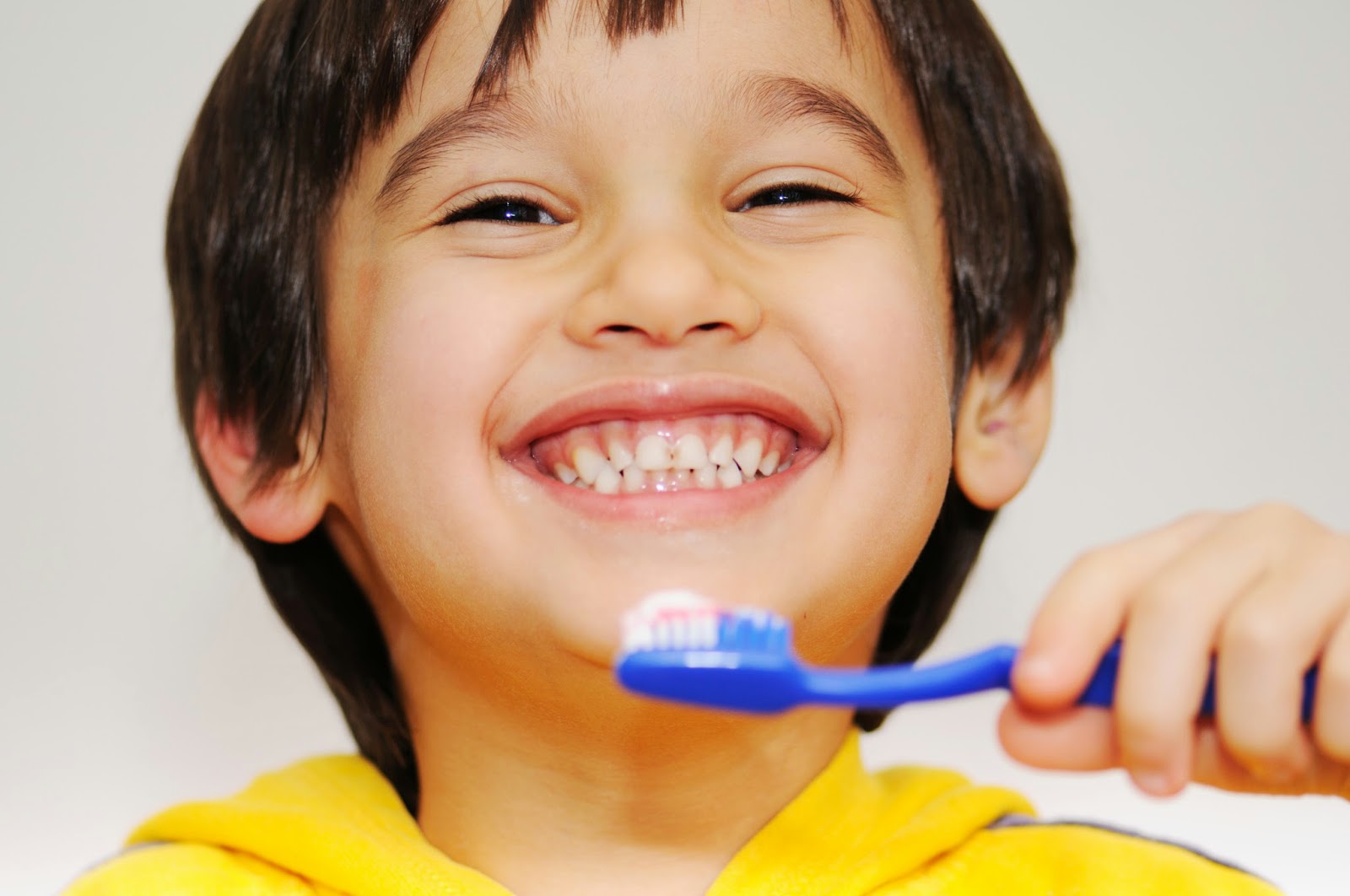
Keep your Kids’ Teeth Healthy

The second most prevalent human disease today is tooth decay. Over 25% of children ages 2-5 and over half of those who are 12-15 years old are affected by this condition. Without early detection, it can lead to pain, tooth loss, and more serious illnesses that involve other parts of the body. Protect your children from tooth decay and other dental problems through proper dental hygiene. Dr. Cheung and the rest of the team are here to help you in this particular parental responsibility.


Dental Care for Children

Caring for a child’s teeth is almost similar to that of an adult’s. It only becomes a harder task because children don’t recognize its importance. Setting an example to your kids is the best way to emphasize dental hygiene.

Let’s not forget the basics. Brushing the teeth at least twice a day, especially before bed time is the most essential task to teach the children. Perhaps, getting them an electric toothbrush helps in building them up for this task. When permanent teeth begin to grow, it is time to teach them how to floss every night before they climb up to bed. Another important aspect of dental care is dental visits at least every 6 months. As your children grow, they might need braces or extractions to prevent long term dental problems. 


A practical way of fighting tooth decay in children is through the application of dental sealants. This is very helpful, especially in children who are susceptible to tooth decay because it is painless and resistant to bacterial damage.

Training your children to care for their teeth at an early age is a lesson that they will appreciate when they come of age. Having healthy teeth is a great investment. Make us your partners in your child’s dental care.